
Seasons Change, So Should Your Team Apparel: Tips You’ll Love
- Home
- »
- Uncategorized
- »
- Seasons Change, So Should Your Team Apparel: Tips You’ll Love
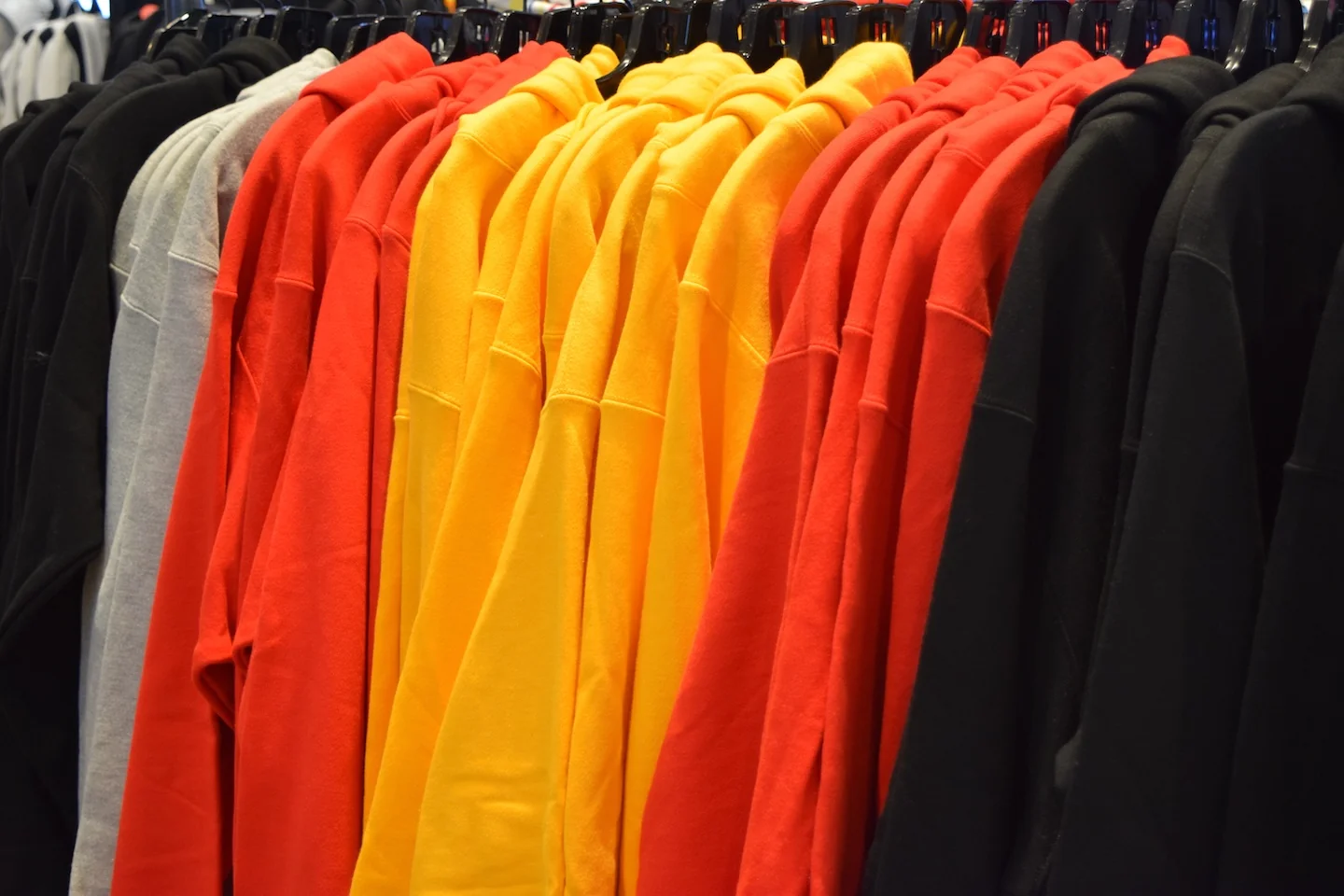
Mastering Team Apparel Planning: How to Transition Seamlessly with the Seasons
As the seasons shift, so do the demands on your team’s wardrobe, making it crucial to nail down your apparel planning strategy. Are you ready to tackle the challenge of transitioning your team apparel with ease? From selecting moisture-wicking materials to adding versatile layering pieces, the right choices can keep your team looking sharp and feeling comfortable no matter the weather. Plus, aligning your seasonal clothing needs with your business branding can boost employee morale and ensure a professional appearance that customers will appreciate. Ready to dive into some practical and friendly tips for navigating these changes seamlessly? Let’s get started! For more insights on managing seasonal categories, check out this helpful guide.
Evaluating Seasonal Clothing Needs
As seasons change, so do your team’s apparel requirements. Let’s explore how to assess your current inventory, identify essential layering pieces, and choose the right materials to keep your team comfortable year-round.
Assessing Current Inventory
Start by taking stock of what you already have. This crucial step helps you identify gaps and avoid unnecessary purchases.
- Conduct a thorough inventory count of all team apparel.
- Categorize items by season, type, and size.
- Note any worn-out or outdated pieces that need replacement.
Consider creating a spreadsheet to track your inventory. This will help you visualize your current stock and make informed decisions about future purchases.
Remember, mastering seasonality in apparel isn’t just about having enough clothes – it’s about having the right clothes at the right time.
Identifying Essential Layering Pieces
Layering is key to adapting to changing temperatures throughout the day. Focus on versatile pieces that can be mixed and matched.
Essential layering pieces might include:
- Light hoodies or windbreakers
- Vests
- Long-sleeve shirts
- Light jackets
When selecting layering pieces, consider your brand colors and logo placement. Opt for neutral base layers that can easily pair with branded outer layers.
Remember, the goal is to provide comfort and flexibility while maintaining a cohesive team look.
Choosing Moisture-Wicking Materials
Moisture-wicking fabrics are a game-changer for team apparel, keeping your staff comfortable in various conditions.
These materials work by:
- Drawing sweat away from the skin
- Spreading moisture across the fabric surface
- Allowing for quick evaporation
Popular moisture-wicking materials include:
- Polyester-Durable, quick-drying
- Nylon-Lightweight, breathable
- Merino wool-Natural, odor-resistant
When selecting moisture-wicking apparel, consider the specific needs of your team. For example, outdoor workers might benefit from UV-protective fabrics, while indoor workers might prioritize breathability.
Enhancing Professional Appearance
A well-planned seasonal wardrobe can significantly boost your team’s professional image. Let’s dive into selecting the right colors, incorporating versatile styles, and accessorizing effectively.
Selecting Seasonal Colors and Branding
Choosing the right colors for your team apparel can make a big impact on your brand image and employee morale.
Consider these factors when selecting seasonal colors:
- Your brand’s primary color palette
- Seasonal trends in your industry
- Psychological effects of different colors
For example, you might opt for lighter, brighter hues in spring and summer, transitioning to deeper, richer tones in fall and winter.
Remember to maintain consistency with your brand identity. Seasonal merchandising strategies can help you balance trendiness with brand recognition.
Incorporating Versatile Styles
Versatility is key when planning seasonal team apparel. Look for pieces that can work across multiple seasons and in a variety of weather conditions.
Some versatile style options include:
- Hoodies and sweatshirts that can be worn alone or layered and easily shed
- Long- and short-sleeved tees for lower layers and as primary pieces in warm conditions
- Zippered hoodies or light jackets that protect against wind, rain, and cold
When selecting styles, consider the diverse needs of your team. What works for estimators may not be just right for workers and builders.
Pro tip: Involve your team in the selection process. Their input can lead to choices that are both practical and popular.
Accessorizing for Comfort and Unity
Accessories can add the finishing touch to your team’s look while providing practical benefits.
Consider these accessory options:
- Scarves or neck gaiters for warmth and brand visibility
- Hats or visors for sun protection
- Branded lanyards or ID holders
When choosing accessories, prioritize items that serve a purpose beyond just looks. For example, a high-quality water bottle with your logo promotes both hydration and brand awareness.
Remember, accessories should complement your overall strategy, not overshadow it. Keep it simple and functional.
Boosting Employee Morale and Performance
The right apparel doesn’t just make your team look good – it can significantly impact their mood and productivity. Let’s explore how thoughtful apparel choices can boost morale and enhance performance.
Impact of Apparel on Productivity
The clothes we wear can have a surprising effect on how we work and feel on the job.
Consider these points:
- Comfortable clothing can reduce distractions and increase focus
- Uniforms can create a sense of belonging and team spirit
- Clear branding can boost confidence in client interactions
A study by Northwestern University found that wearing certain clothes can influence psychological processes. For example, wearing a lab coat described as a doctor’s coat increased participants’ attention to detail.
When planning your team’s apparel, consider both comfort and the psychological impact of different styles. Transitional planning can help you adapt to changing needs throughout the year.
Practical Choices for Weather Adaptability
Choosing apparel that adapts to various weather conditions is crucial for maintaining productivity and comfort.
Consider these weather-adaptive options:
- Lightweight, breathable fabrics for hot weather
- Water-resistant outerwear for rainy seasons
- Insulated, layerable pieces for cold environments
Remember to account for both indoor and outdoor conditions. An employee moving between air-conditioned offices, homes, or vehicles and outdoor work sites will have different needs than someone working exclusively indoors.
Pro tip: Offer a range of options to accommodate personal preferences and varying tolerance to temperature changes.
Setting a Standard for Professionalism
Your team’s apparel is a visual representation of your company’s values and standards.
Key points to consider:
- Consistent, well-maintained uniforms signal attention to detail
- Professionally branded attire can enhance credibility with clients and customers
- A coordinated appearance can boost employee confidence and pride and team spirit
When setting apparel standards, strike a balance between professionalism and practicality. Overly rigid or impractical dress codes can backfire, leading to discomfort and resentment.
Remember, the seasons of your organization aren’t just about the weather – they’re about adapting to changing business needs and employee expectations.
Have a Project in Mind?
If you’re ready to get creative with it, we’re ready to talk!